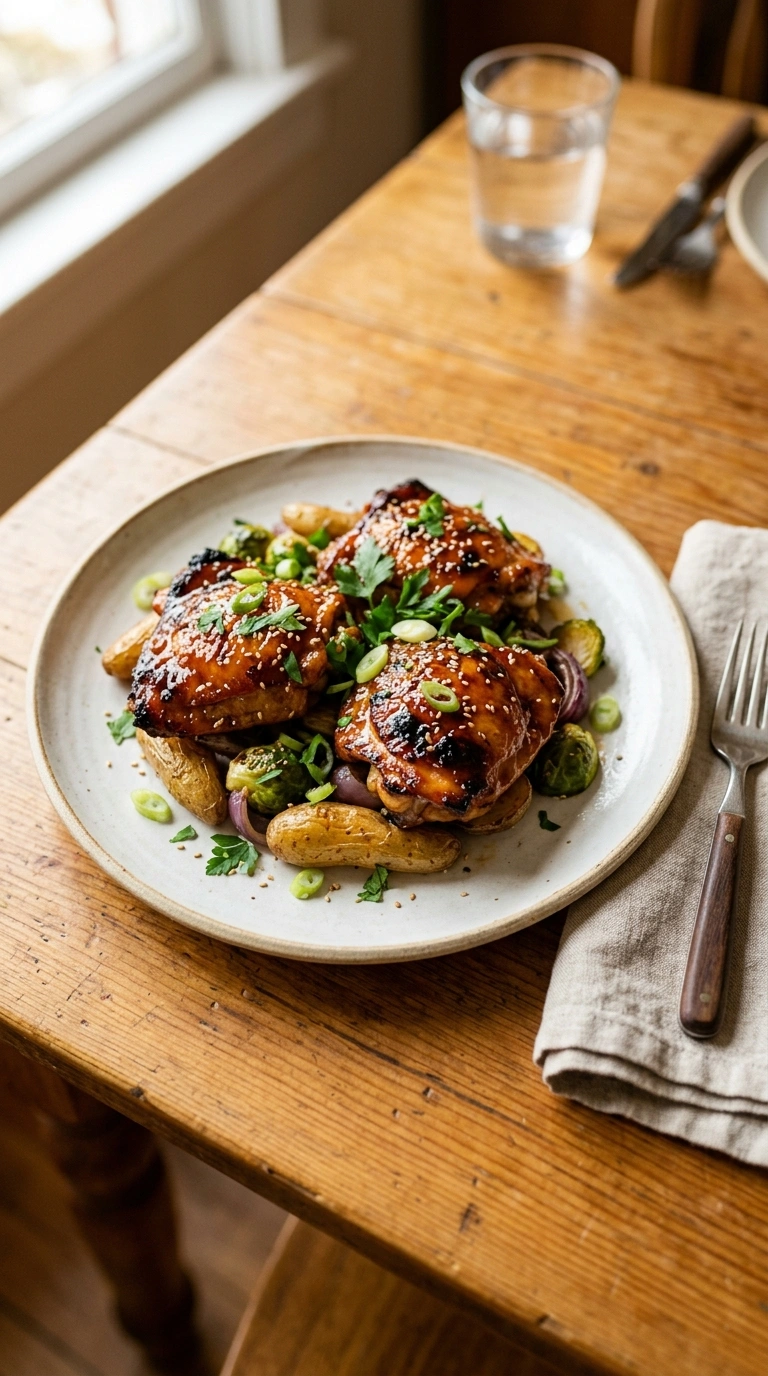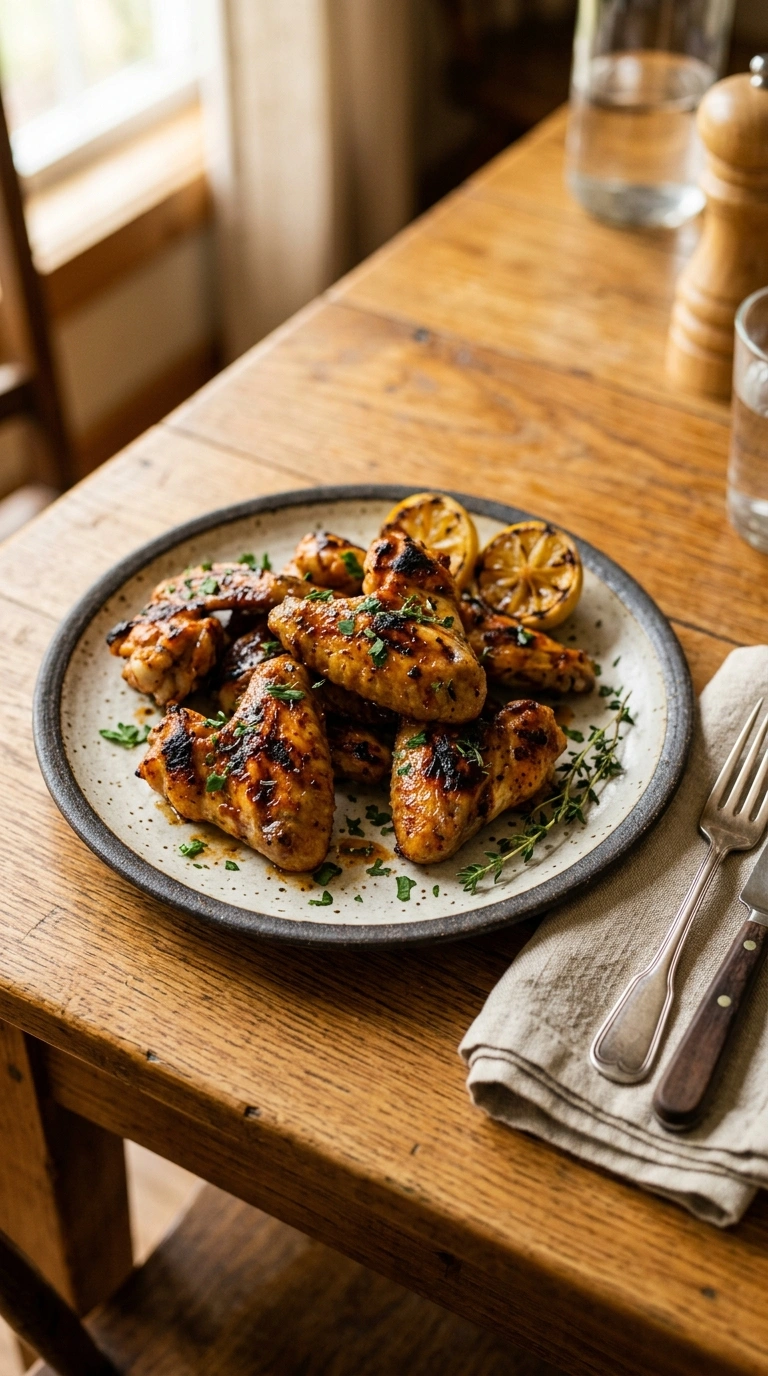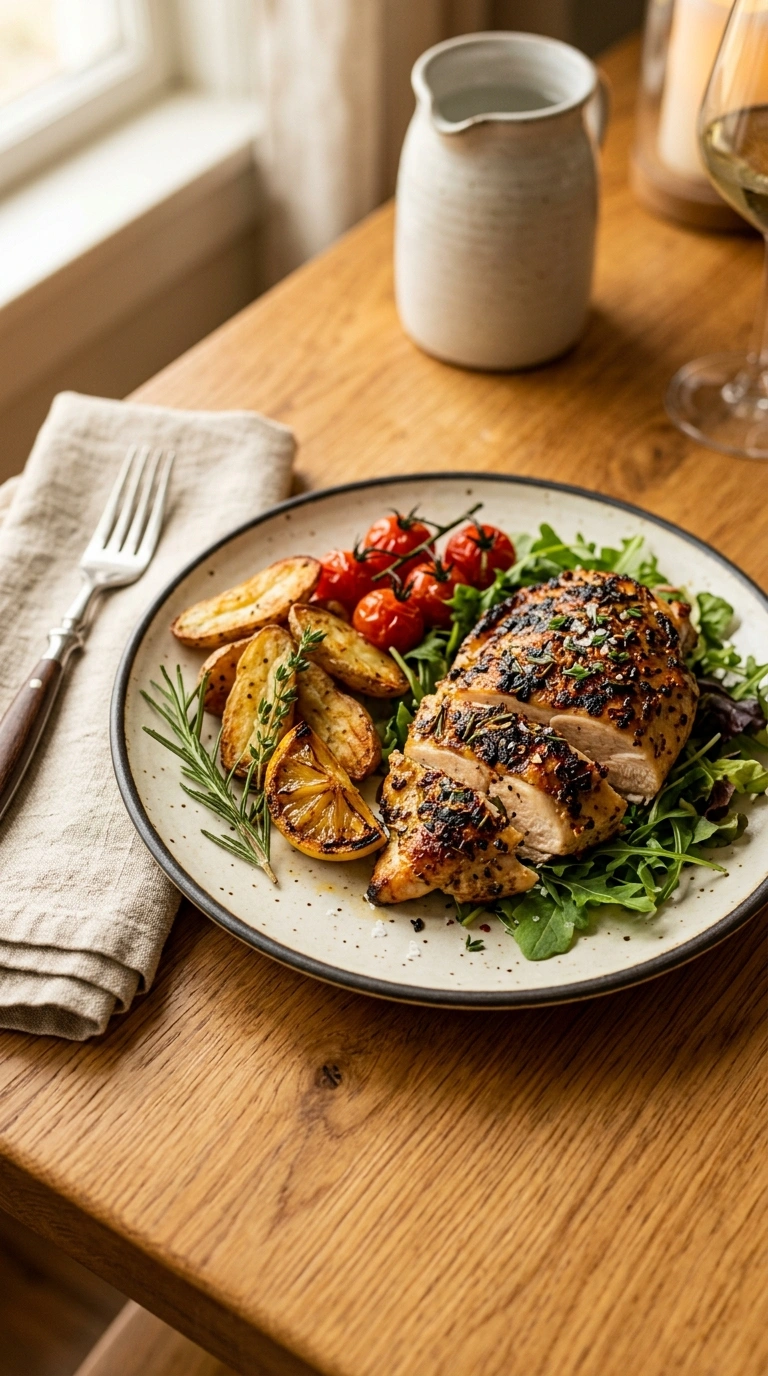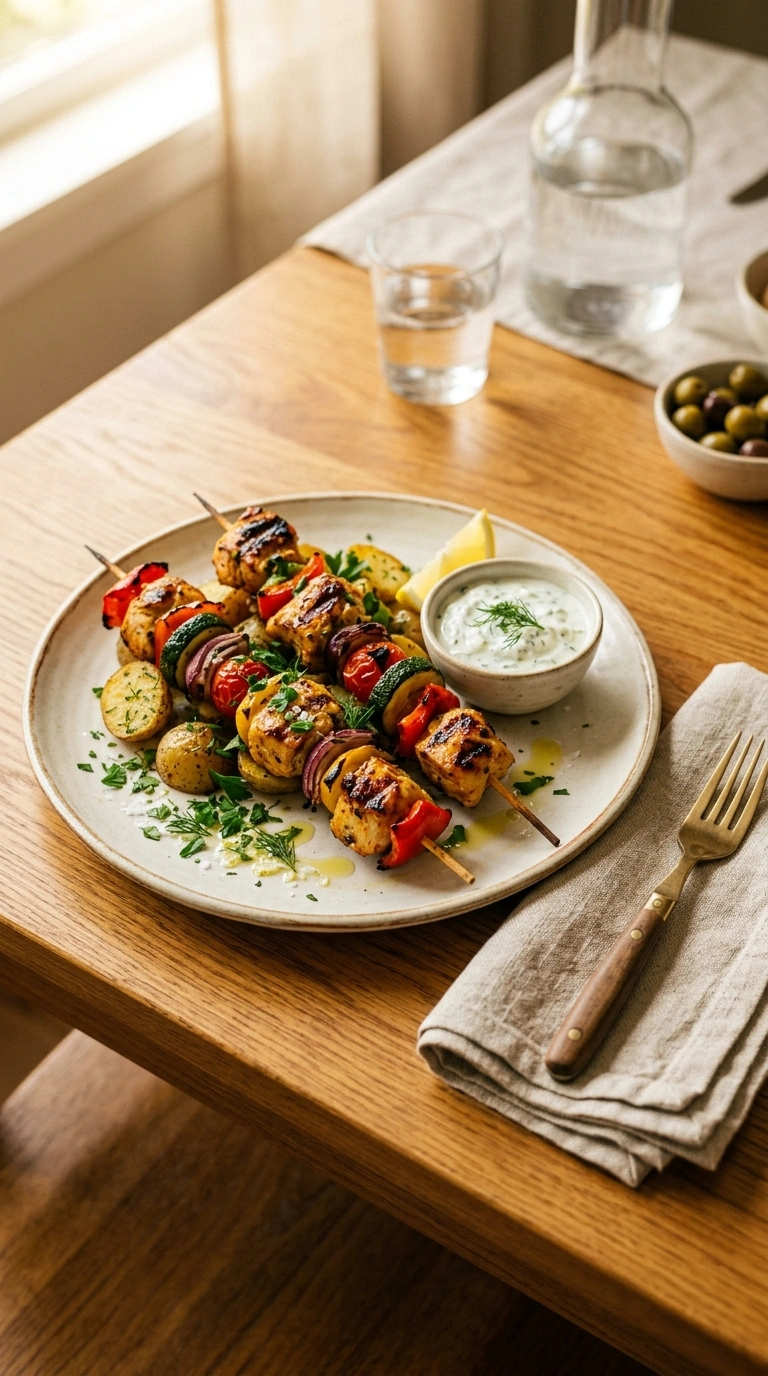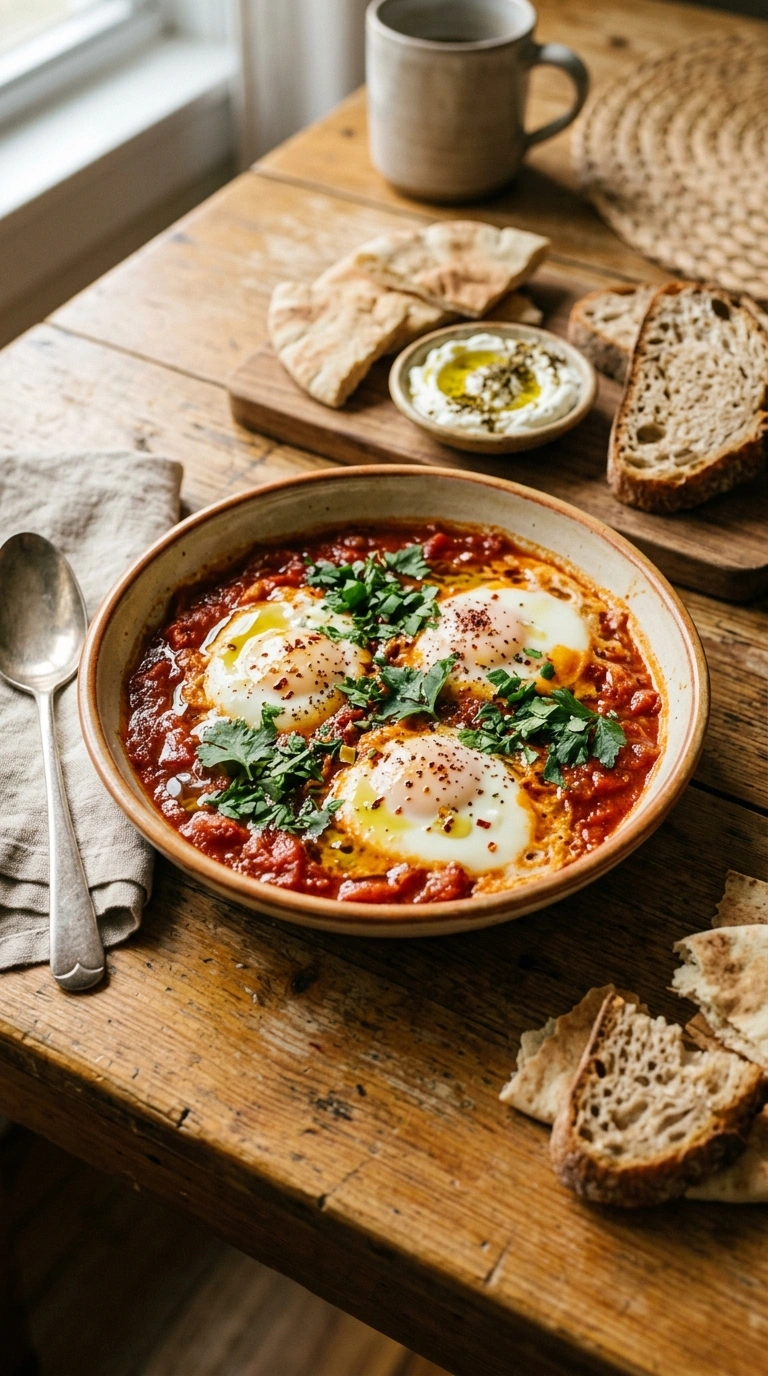
Last Tuesday night, I was completely overwhelmed. Work had destroyed me, and I needed dinner on the table in 30 minutes. That’s when I remembered my go-to: chicken piccata lemon caper recipe that my mom used to make when we’d visit her in the summer.
I grabbed two chicken breasts, and the second I pounded them flat, something shifted. The smell of butter hitting the hot pan mixed with fresh lemon — that warm, buttery aroma that fills your whole kitchen in seconds — reminded me why I loved cooking in the first place.
My husband took one bite and actually stopped texting. He looked up and asked if I’d made this before. I hadn’t, not for him anyway. That’s the power of a good chicken piccata lemon caper recipe. It feels fancy but takes less time than ordering takeout.
Save this for your next weeknight when you need something that tastes like you spent hours cooking but actually didn’t. This is the recipe that gets everyone asking for your secrets.
The mistake everyone makes with chicken piccata lemon caper recipe
Most home cooks either pound their chicken too thin and it falls apart when they flip it, or they don’t pound it enough and it stays thick and tough. Ever noticed how restaurant versions are so tender but yours comes out rubbery? The secret isn’t the sauce — it’s the prep work.
Here’s what I do differently: I pound my chicken to a consistent quarter-inch thickness, then I dredge it immediately before cooking, not five minutes before. That keeps the flour coating from getting soggy and actually sticking to the chicken instead of sliding off in the pan. This one shift changes everything.
- Perfectly tender, restaurant-quality chicken in your own kitchen every single time
- Flour coating stays crispy and golden instead of getting gummy and sliding off
- The lemon caper sauce actually clings to the chicken instead of pooling on the plate
- You’ll finish cooking in under 20 minutes and impress literally everyone
Ingredients for chicken piccata lemon caper recipe
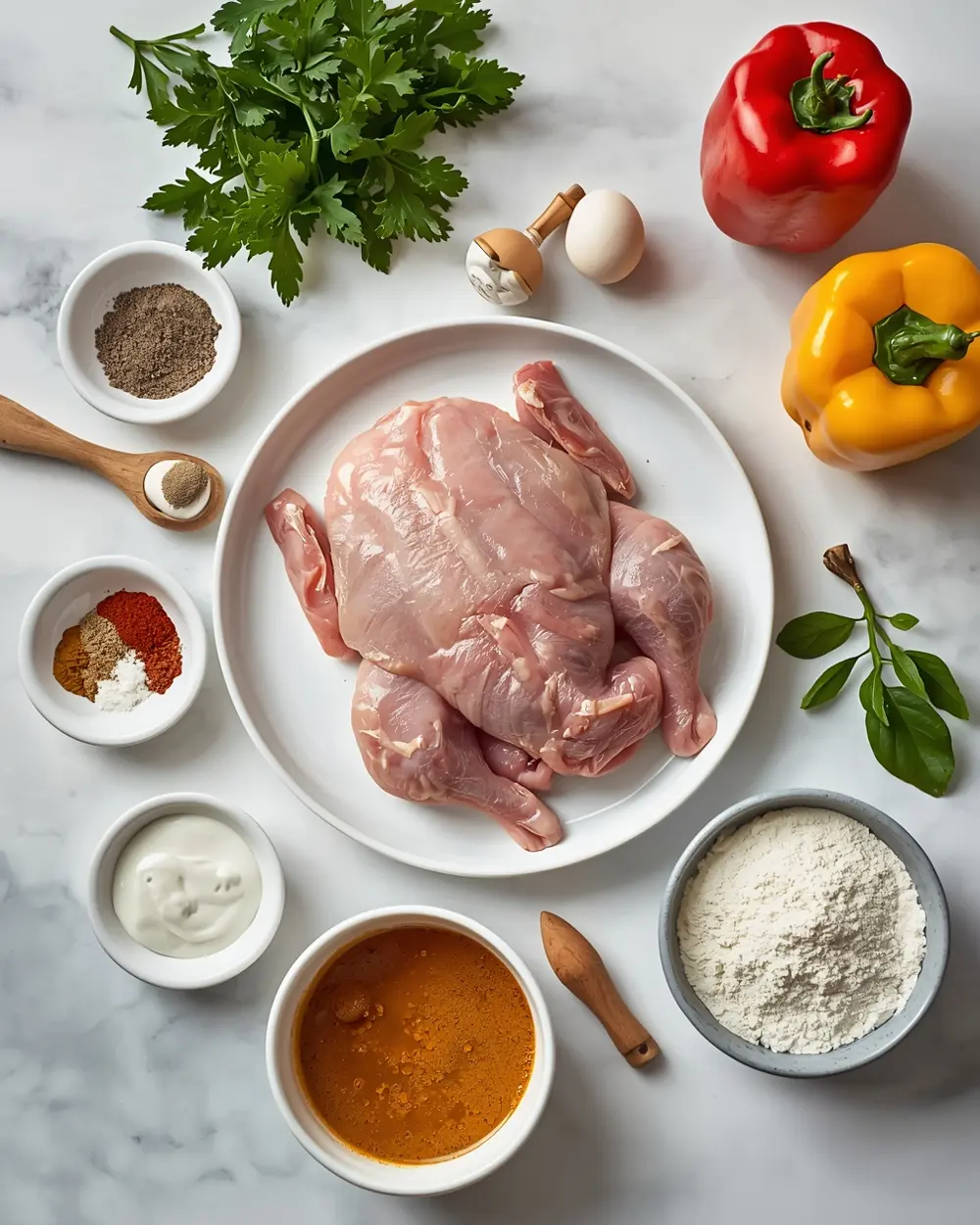
- 2 lbs boneless skinless chicken breasts
- 1 cup all-purpose flour
- 1 tsp salt
- 1/2 tsp black pepper
- 2 tbsp olive oil
- 2 tbsp unsalted butter
- 1/2 cup chicken broth
- 1/4 cup fresh lemon juice
- 2 tbsp capers
- 2 tbsp fresh parsley
The chicken breasts here are your star. Look for ones that are roughly the same thickness so they cook evenly. You want them smooth and firm before you pound them — that’s when you know they’re fresh enough to work with.
If you can’t find capers, skip them honestly. Some people swap in green olives, but I think that changes the whole vibe of this chicken piccata lemon caper dish. You could use white wine instead of chicken broth if you want to go fancier, but broth works just as well and keeps things simple. Fresh parsley at the end makes a huge difference — dried just doesn’t hit the same.
Step-by-step instructions
1. Pat your chicken breasts dry with paper towels. Place them between two pieces of plastic wrap and pound them to about a quarter-inch thickness using a meat mallet. Don’t go crazy — you want them thin but still in one piece. This step is crucial because it ensures even cooking and tenderizes the meat naturally.
2. Mix your flour, salt, and black pepper together in a shallow bowl. Working with one chicken breast at a time, dredge it in the flour mixture, coating both sides completely. Shake off any excess flour so the coating isn’t too thick. Set the floured chicken on a clean plate and repeat with the remaining breasts.
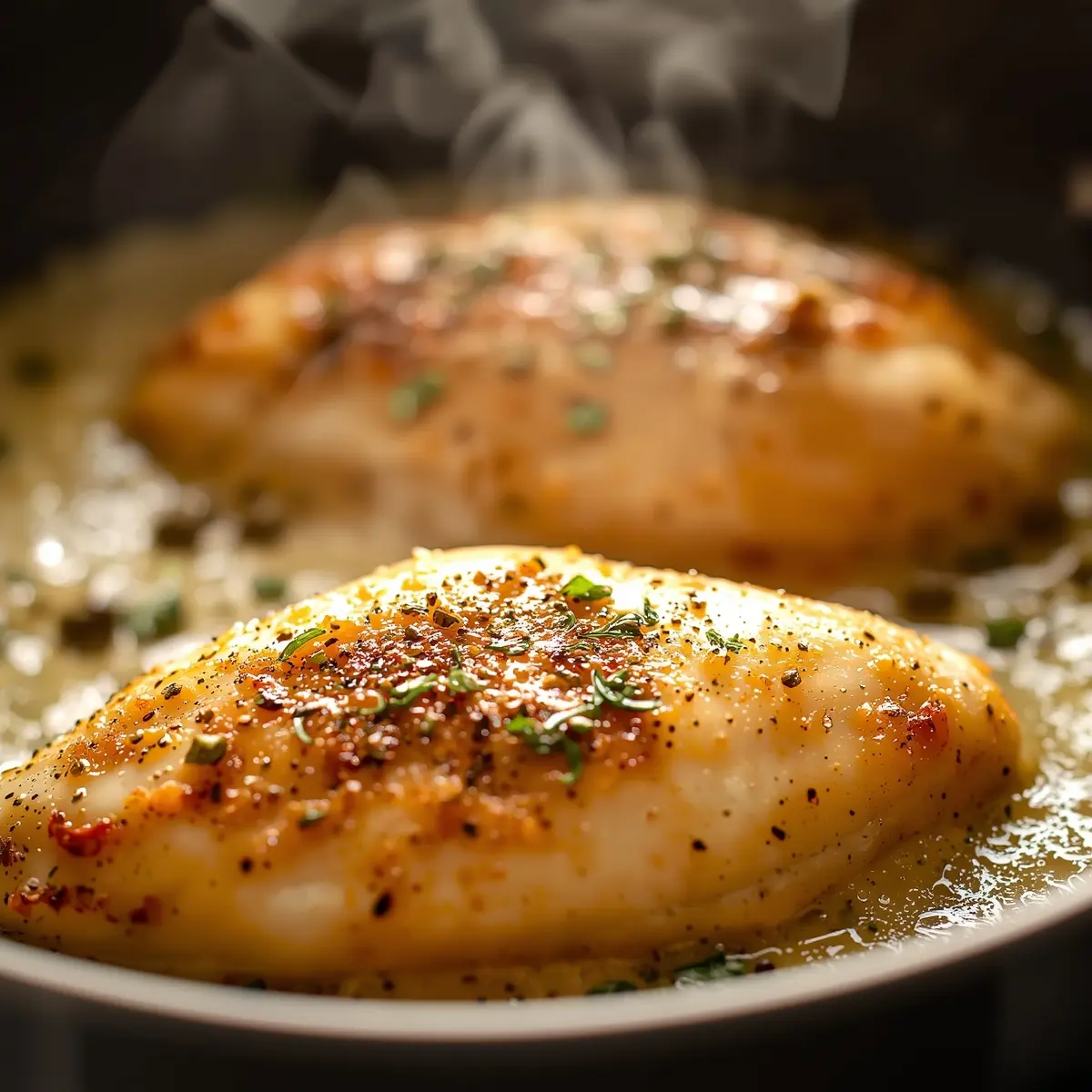
3. Heat your olive oil in a large skillet over medium-high heat until it shimmers. Carefully place the first chicken breast in the pan — you’ll hear it sizzle immediately, which tells you the temperature is perfect. Let it cook without moving it for about 3 to 4 minutes until the bottom is golden and crispy.
4. Flip the chicken carefully and cook the other side for another 3 to 4 minutes until it’s golden brown all over. Don’t keep poking at it or you’ll mess up the crust. Work in batches if your pan isn’t huge — you want space around each piece so it actually sears instead of steams.
5. Remove the cooked chicken to a clean plate and set it aside. Add the butter to the same pan with all those golden bits stuck to the bottom. Pour in your chicken broth and fresh lemon juice, scraping up those bits as you go. This is called deglazing and it’s where all the flavor lives.
6. Let the sauce bubble and reduce for about 2 to 3 minutes. When your kitchen smells intensely lemony and warm, almost caramelized with a hint of butter, that’s when you know it’s ready. Stir in the capers and return the chicken to the pan, nestling it into the sauce.
7. Cook everything together for just 1 more minute so the chicken gets coated in that gorgeous sauce. Sprinkle fresh parsley on top right before serving. The whole thing took you maybe 25 minutes, and honestly, it tastes like you spent way longer on it than you actually did.
Serving ideas for chicken piccata lemon caper recipe
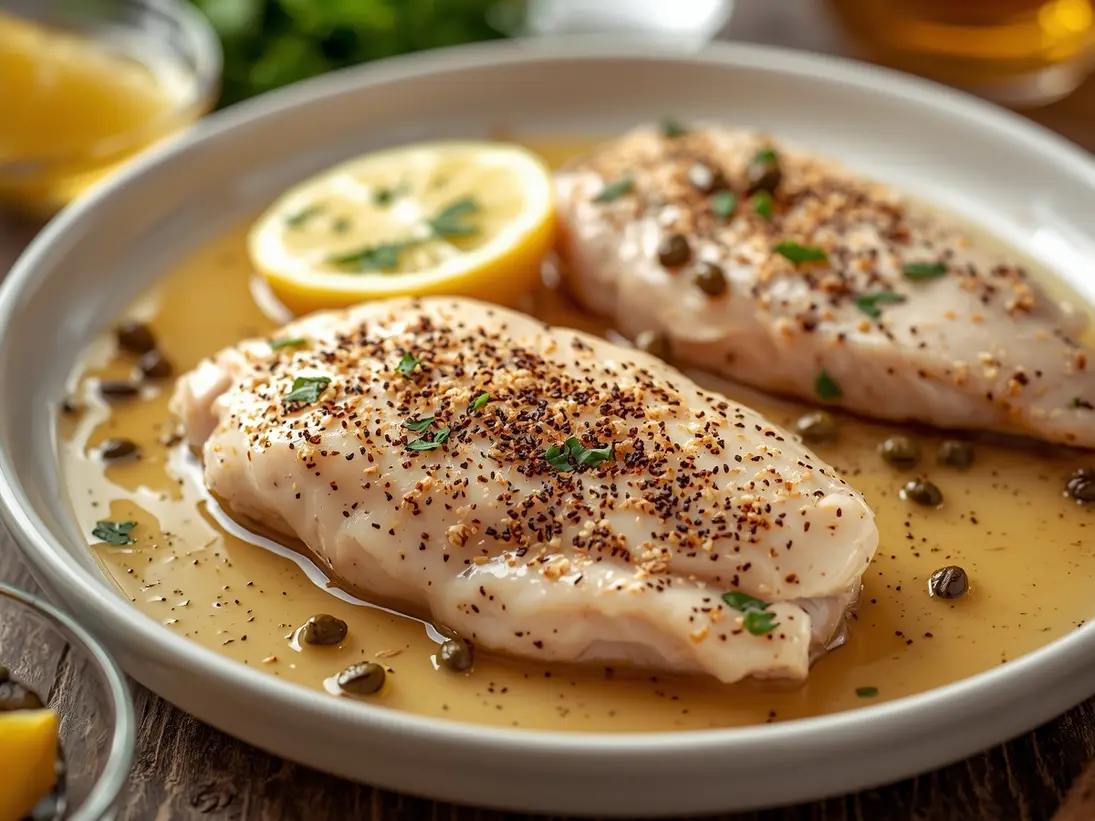
Plate this over something that soaks up that bright, tangy sauce.
Creamy Pasta
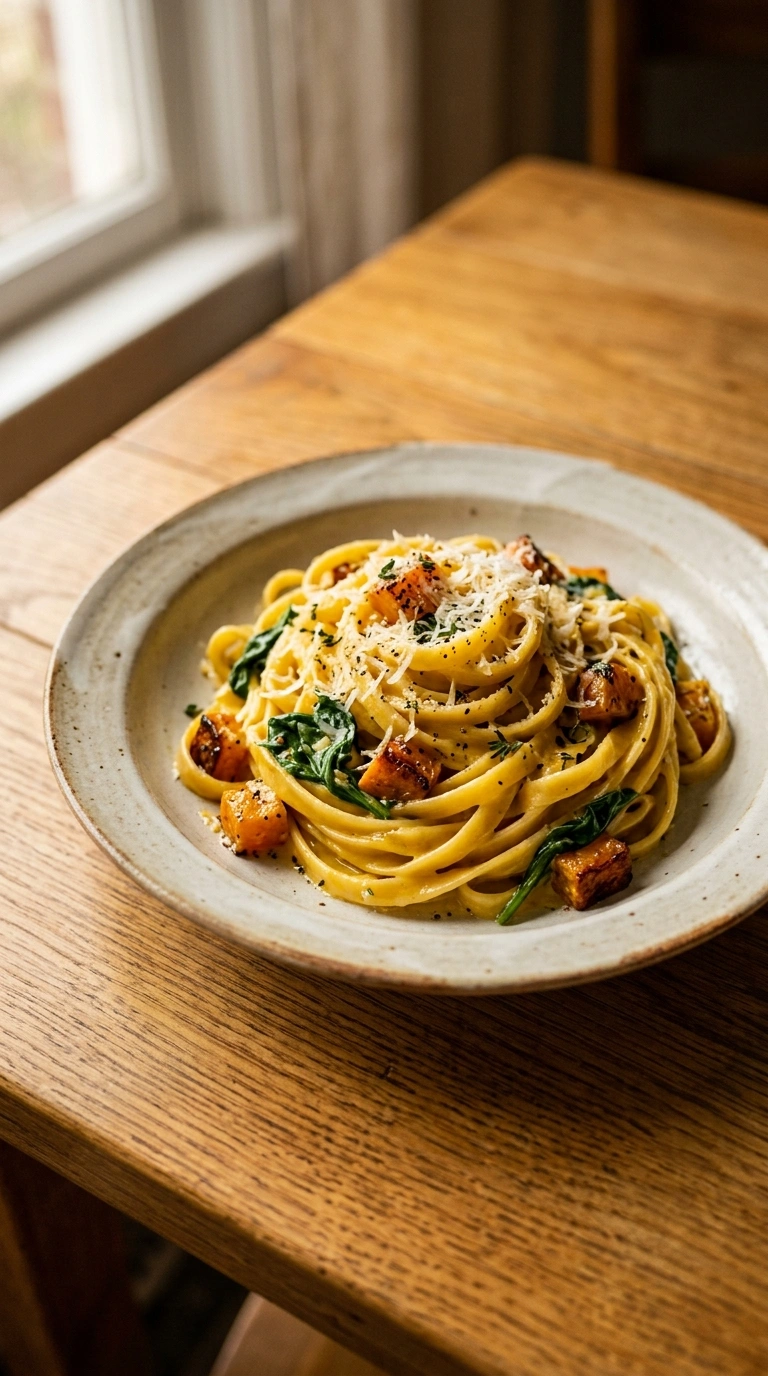
Toss your chicken piccata lemon caper over buttered angel hair pasta or fettuccine. The pasta gets silky and warm while the chicken stays crispy on the edges — that contrast between tender pasta and golden chicken is exactly what makes this combo work. The sauce clings to every strand and you’ll find yourself scraping the plate.
Roasted Baby Potatoes
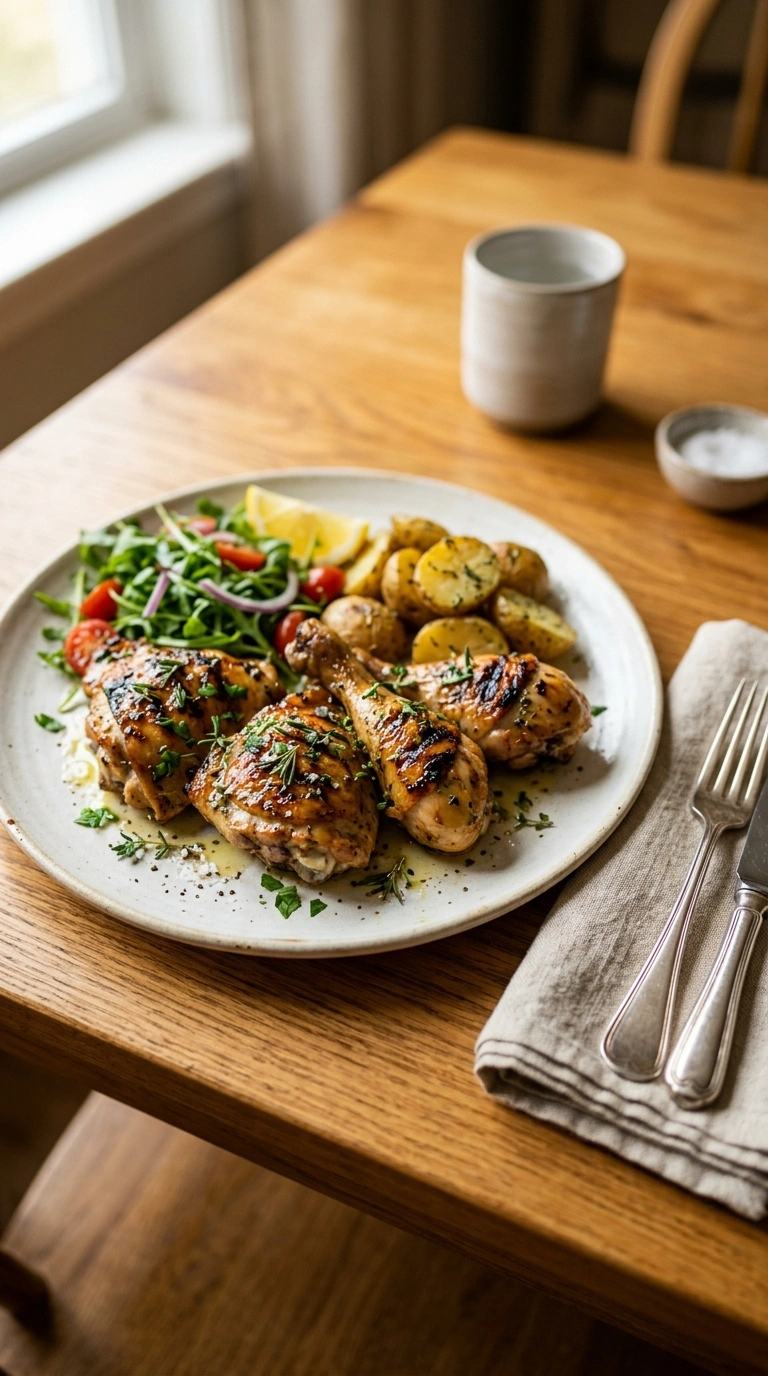
Serve alongside roasted baby potatoes tossed in olive oil and garlic. The crispy, golden potato skin contrasts beautifully with the tender, juicy chicken and bright sauce. This combo feels fancy enough for guests but honestly takes zero extra effort since you roast them while the chicken cooks.
Sautéed Greens
Pair with garlicky sautéed spinach or arugula on the side. The slight bitterness of the greens balances the bright lemon perfectly, and the warm greens next to cold fork-tender chicken creates this amazing temperature play. Check out garlic butter shrimp for another quick weeknight protein that pairs the same way.
Frequently asked questions
Can I make chicken piccata lemon caper ahead of time?
Yes, you can prep everything the day before. Pound and refrigerate your chicken in an airtight container, and mix your flour dredging mixture in a small bowl covered with plastic wrap. Cook it fresh the day you want to eat it — the chicken stays better that way and tastes more tender.
The sauce you can actually make a few hours ahead and reheat it gently on the stovetop. Just don’t add the parsley until right before serving or it’ll get dark and lose that fresh brightness. This makes it perfect for busy weeknight cooking.
What if I don’t have fresh lemon juice?
Use bottled fresh lemon juice in a pinch — it’s not ideal but it works. You’ll need the same quarter cup amount, though you might need to add a tiny bit more since bottled juice is sometimes less bright than fresh. Avoid lemon extract though, because it’s too concentrated and will make your sauce taste bitter.
Fresh is always better for this chicken piccata lemon caper recipe, but real talk — I’ve made it with bottled juice when I’m desperate and nobody complained. Just don’t skip the lemon entirely or you lose what makes this dish special.
How do I reheat leftover chicken piccata lemon caper?
Reheat gently in a skillet over medium heat with a splash of chicken broth for about 3 to 4 minutes until it’s warm through. The oven at 325°F for about 10 minutes works too if you’re reheating a bigger batch. Don’t microwave it or the chicken gets rubbery and the coating gets soggy.
Store leftovers in an airtight container in the fridge for up to 3 days. The sauce keeps everything moist so it actually reheats better than you’d expect. I personally think the leftovers are almost better the next day because the flavors meld together.
Why is my chicken piccata lemon caper sauce too thin?
The sauce should be bright and slightly glossy but not watery. If yours is too thin, let it simmer for another 1 to 2 minutes without the chicken to reduce further. Make sure you’re using the same pan you seared the chicken in so you get all those flavorful browned bits.
If it’s still not thick enough, mix 1 teaspoon of cornstarch with 1 tablespoon of cold water, then whisk it into the simmering sauce. It’ll thicken up in seconds. Don’t panic if it looks watery at first — it concentrates quickly once it’s bubbling.
Final thoughts
That Tuesday night dinner turned into something my family asks for constantly now. My husband still brings it up when we’re planning the week. He’ll text me from work like, “You know what would be amazing tonight?” and I already know he means that chicken piccata lemon caper recipe.
The beauty of this dish is that it feels like restaurant cooking but happens in your actual weeknight timeline. You pound, you dredge, you sear, you sauce — and suddenly you’re plating something that tastes like you knew what you were doing all along.
The crispy golden chicken gives way to tender, juicy meat the second you cut into it. That bright lemon sauce hits your tongue first, then the salty capers come through, and the fresh parsley adds this green, peppery finish. It’s the kind of eating experience that makes you slow down and actually enjoy your dinner instead of just powering through it.
Try this next time you need something quick but impressive. I’d love to hear how it turns out for you. If you’re craving more Italian comfort, check out Italian lemon chicken variations and caper sauce recipes that use similar techniques. Pin this for your next busy weeknight — you’ll thank yourself later.
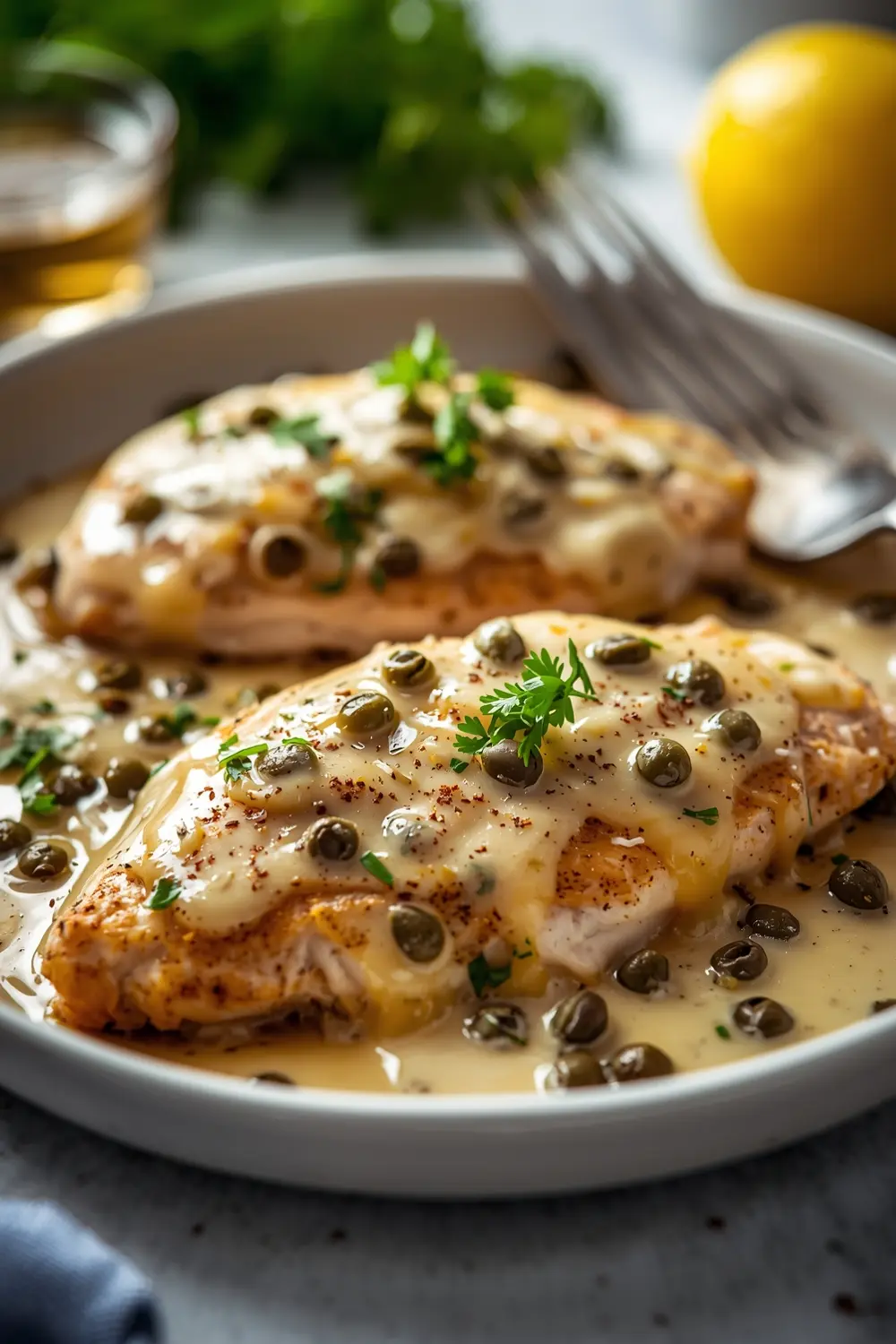
Best chicken piccata lemon caper
Ingredients
Method
- Pat your chicken breasts dry with paper towels. Place them between two pieces of plastic wrap and pound them to about a quarter-inch thickness using a meat mallet. Don’t go crazy — you want them thin but still in one piece. This step is crucial because it ensures even cooking and tenderizes the meat naturally.
- Mix your flour, salt, and black pepper together in a shallow bowl. Working with one chicken breast at a time, dredge it in the flour mixture, coating both sides completely. Shake off any excess flour so the coating isn’t too thick. Set the floured chicken on a clean plate and repeat with the remaining breasts.
- Heat your olive oil in a large skillet over medium-high heat until it shimmers. Carefully place the first chicken breast in the pan — you’ll hear it sizzle immediately, which tells you the temperature is perfect. Let it cook without moving it for about 3 to 4 minutes until the bottom is golden and crispy.
- Flip the chicken carefully and cook the other side for another 3 to 4 minutes until it’s golden brown all over. Don’t keep poking at it or you’ll mess up the crust. Work in batches if your pan isn’t huge — you want space around each piece so it actually sears instead of steams.
- Remove the cooked chicken to a clean plate and set it aside. Add the butter to the same pan with all those golden bits stuck to the bottom. Pour in your chicken broth and fresh lemon juice, scraping up those bits as you go. This is called deglazing and it’s where all the flavor lives.
- Let the sauce bubble and reduce for about 2 to 3 minutes. When your kitchen smells intensely lemony and warm, almost caramelized with a hint of butter, that’s when you know it’s ready. Stir in the capers and return the chicken to the pan, nestling it into the sauce.
- Cook everything together for just 1 more minute so the chicken gets coated in that gorgeous sauce. Sprinkle fresh parsley on top right before serving. The whole thing took you maybe 25 minutes, and honestly, it tastes like you spent way longer on it than you actually did.