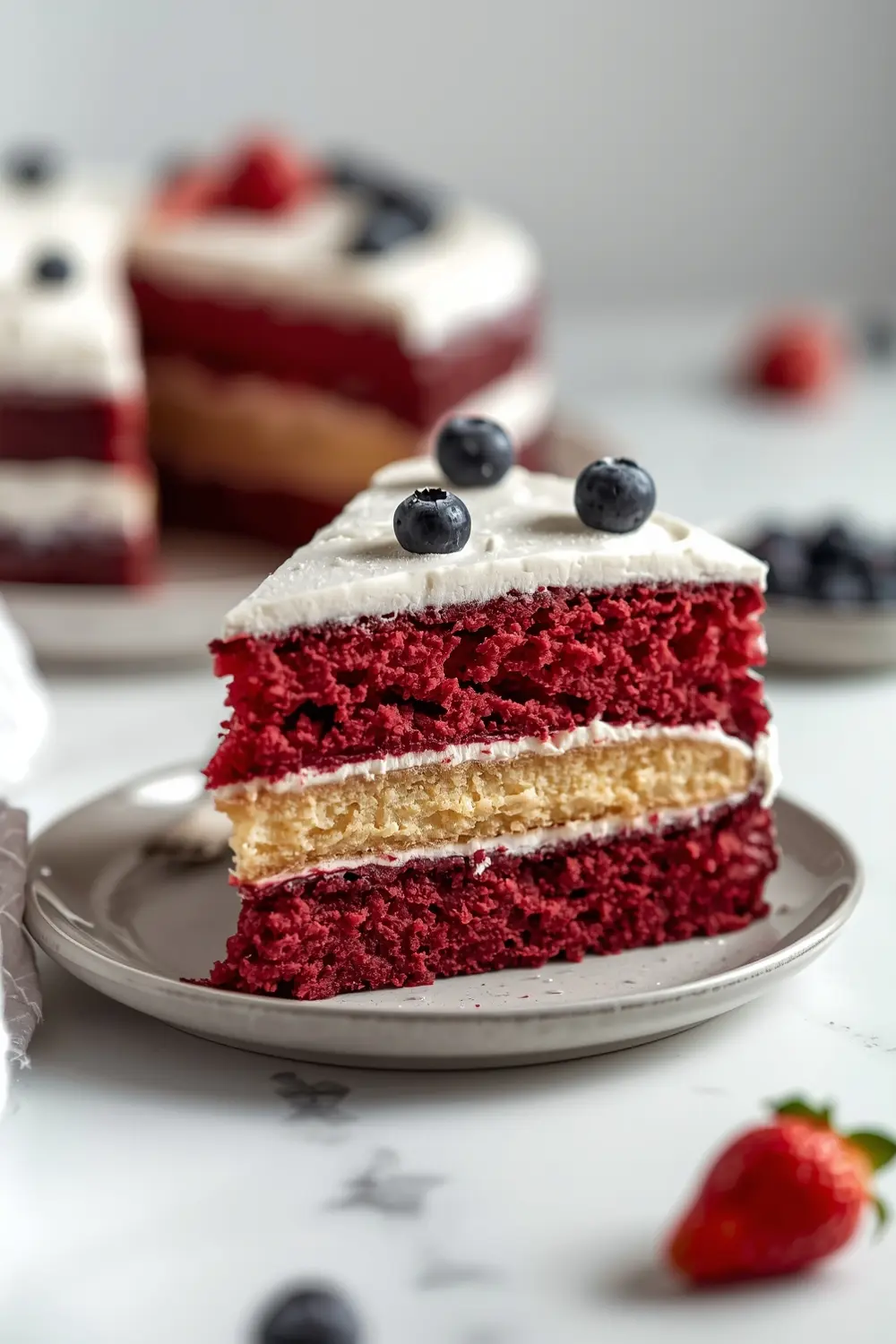
Preheat your oven to 350°F and prepare three 8-inch round cake pans by coating with butter and parchment paper. I line the bottoms because nothing crushes your spirit faster than cake that sticks to the pan after all this work. The parchment acts as insurance while the butter ensures even browning on the sides.
Cream the softened butter with granulated sugar for exactly three minutes using an electric mixer on medium speed. You're looking for a texture that looks pale and fluffy, almost like sand that's been exposed to moisture. This step builds air into the batter, and skipping it is why so many homemade cakes feel dense compared to bakery versions.
Add room temperature eggs one at a time, mixing for 20-30 seconds after each addition and scraping the bowl between each egg. Cold eggs break the emulsion and create a grainy batter that never quite comes together properly. I learned this lesson when Jake asked why his birthday cake tasted like chalk—room temperature ingredients genuinely matter that much.
Alternate adding the flour mixture and milk in three additions, starting and ending with flour, mixing on low speed after each addition. This prevents overmixing, which develops gluten and creates a tough crumb nobody enjoys. The reason bakers do this pattern is because it protects structure while building flavor evenly throughout.
Divide your batter equally into three bowls, then fold strawberry puree into the first bowl using a rubber spatula and minimal strokes. Fold blueberry puree into the second bowl the same way, leaving the third bowl plain white. The gentle folding prevents air loss, which means your layers stay light instead of transforming into hockey pucks.
Pour the red batter into the first prepared pan, the blue batter into the second, and the white batter into the third. Tap each pan sharply on the counter once to release any large air bubbles trapped in the bottom. Bake all three simultaneously for 45-50 minutes, until a toothpick inserted in the center comes out with just a few moist crumbs.
Let cakes cool in the pans for 15 minutes, then turn out onto wire racks to cool completely before assembling. This waiting period tests your patience, but warm cake falls apart when you try to frost it, so resist the urge to rush ahead.
Once cool, beat whipped cream with powdered sugar until soft peaks form, then spread a thin layer between each 4th of july red white blue cake cozy layer. Stack your layers in order of white, red, blue from bottom to top, creating that iconic patriotic look that makes people smile before they even taste it.